
Introduction
Delhi’s air quality continues to dominate national headlines year after year, especially as winter approaches and smog blankets the city. The issue is no longer just environmental; it has become a public health emergency, a governance challenge, and a topic of ongoing debate among courts, policymakers, and researchers.
Over the past decade, Delhi’s pollution levels have fluctuated dramatically, but the overall trend indicates deteriorating air quality, particularly during the colder months. This article offers a clear overview of Delhi’s pollution crisis, explaining AQI levels, causes, high-risk areas, and government actions like GRAP and monitoring improvements.
We also discusses the Supreme Court’s involvement and provides practical tips for citizens to stay protected. Overall, it summarizes the current situation and ongoing efforts to reduce pollution in a concise and informative way.
What is AQI in Delhi?
AQI in Delhi, or Air Quality Index, is a standardized measure used to determine how polluted the air is and its impact on public health. It is calculated based on key pollutants like PM2.5, PM10, nitrogen dioxide, sulfur dioxide, ozone, and carbon monoxide.
The issue of Delhi pollution AQI has reached alarming levels, affecting the health of millions.Understanding the Delhi pollution AQI is crucial for residents and policymakers alike.
The ongoing crisis of Delhi pollution AQI is a pressing concern that impacts daily life.With rising levels of pollution, understanding the factors contributing to the Delhi pollution AQI will help in mitigating its effects.
Why is Delhi’s AQI always so high?
Here are the key reasons why Delhi’s AQI is always so high:
- Vehicle emissions – Delhi has an extremely dense traffic load, leading to continuous release of PM2.5 and PM10 pollutants.
- Stubble burning – Seasonal burning of crop residue in Punjab and Haryana drastically raises particulate pollution.
- Industrial activities – Factories and brick kilns around NCR add significant toxic emissions.
- Construction dust – Ongoing construction works release dust that lingers in the air.
- Geographical trapping – Delhi’s landlocked position traps pollutants with little natural ventilation.
- Winter weather – Low wind speed and temperature inversion prevent dispersal of pollutants.
- Waste burning – Burning of garbage and biomass releases harmful particles.
Delhi Pollution AQI Monitoring
Delhi pollution AQI monitoring has become essential for understanding the severity of the winter smog crisis. Every year, Delhi’s air quality index crosses the “severe” threshold, making it unhealthy and unfit for outdoor activity.
Monitoring involves using several technologies such as ground AQI stations, satellite-based sensors, and mobile air-quality trackers that measure particulate matter, nitrogen dioxide, ozone levels, and airborne toxins.
Reliable Delhi pollution AQI monitoring is crucial because seasonal variations lead to extreme spikes. During winters, calm winds, falling temperatures, and thermal inversion trap pollutants close to the surface. Firecracker emissions, stubble burning, vehicular exhaust, and construction dust mix into a thick toxic layer.
Which area in Delhi has the worst AQI?
There are the following region with high AQI level:
- Anand vihar – heavy traffic, bus terminals, and commercial emissions make it continually one of the most polluted spots.
- Ashok vihar – excessive vehicular load and dense residential hobby cause expanded pm degrees.
- Jahangirpuri – industrial units, waste burning, and crowded environment worsen air first-class.
- Bawana – a main business hub with factories contributing to excessive pollutants.
- Narela – surrounded through manufacturing devices and warehouses releasing poisonous pollutants.
- Mundka – known for recycling industries and industrial waste, drastically harming aqi.
- Okhla – visitors congestion and the waste-to-energy plant pressure continual pollutants.
What are orders of Supreme Court on Delhi pollution AQI?
The Delhi pollution AQI Supreme Court hearings have become a recurring event each year as the national capital descends into toxic smog.
The Delhi pollution AQI Supreme Court discussion often includes criticism of inadequate government action, lack of coordination between states, and delays in enforcing pollution-control measures. The court repeatedly demands data, solutions, and accountability.
In several hearings, the Delhi pollution AQI Supreme Court has addressed issues like stubble burning, construction dust, industrial emissions, and vehicle pollution. The court has even directed governments to consider measures such as shutting schools, halting construction activities, increasing farm incentives to stop burning, and implementing strict fines.
Many landmark observations point out that citizen health cannot be compromised due to administrative gaps.
The Delhi pollution AQI Supreme Court interventions have also triggered policy changes in states such as Punjab, Haryana, and Uttar Pradesh. For example, orders mandating real-time monitoring, strong enforcement mechanisms, satellite reporting of stubble burning, and government responsibility for air-quality improvement have come directly from the Supreme Court.
While some critics believe judicial intervention cannot replace executive responsibility, the Delhi pollution AQI Supreme Court hearings have undeniably pushed governments to take faster and stricter action. Without judicial pressure, many of the seasonal emergency steps may not be implemented with the same urgency.
What steps are Delhi government taking to reduce pollution?
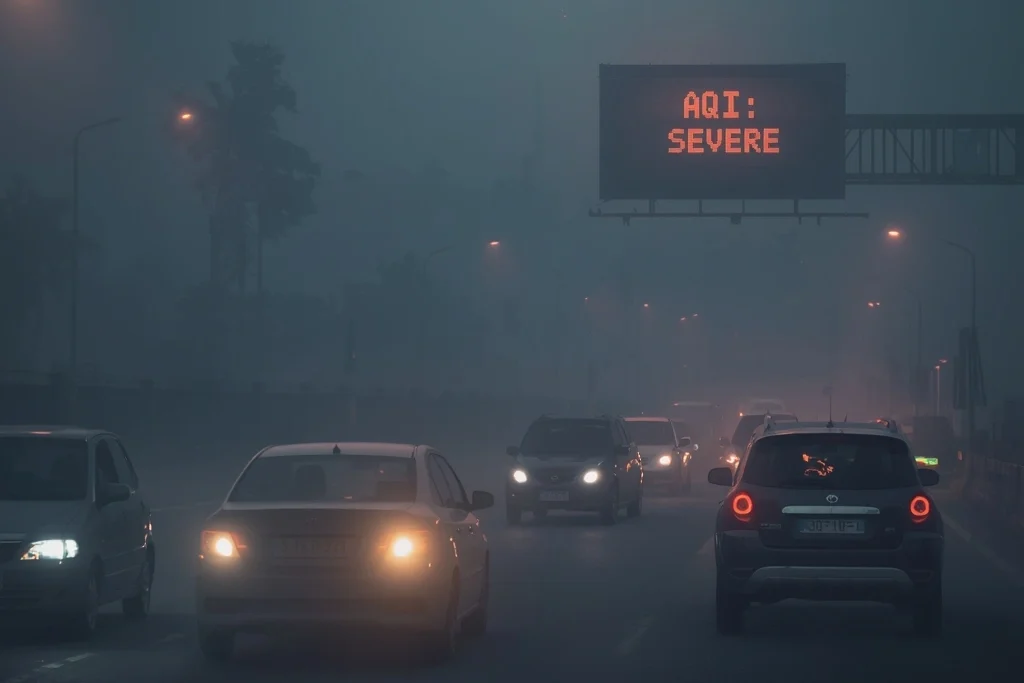
The delhi government has been implementing several measures to lessen growing pollutants levels and enhance the metropolis’s air exceptional.
One fundamental step is the introduction of the graded response action plan (grap), which triggers stricter controls as pollutants worsens, such as curbs on production, restrictions on business operations, and bans on diesel generators.
The authorities also deploys water sprinkling, anti-smog weapons, and mechanized avenue sweeping to lessen dirt from roads and production websites.
Here is a short simple table:
| Step | Purpose |
|---|---|
| GRAP measures | Control pollution based on AQI levels. |
| Water sprinkling | Reduce dust temporarily. |
| Anti-smog guns | Lower particulate matter in hotspots. |
| EV promotion | Cut vehicle emissions. |
| Road sweeping | Reduce roadside dust. |
| Construction curbs | Limit dust during high pollution. |
| Ban on diesel generators | Reduce toxic emissions. |
| More AQI monitors | Improve real-time pollution tracking. |
To limit vehicular emissions, delhi promotes electric powered motors, expansion of public shipping, and enforcement of percent norms. Monitoring infrastructure has been reinforced with greater real-time aqi monitoring stations.
Seasonal measures like stubble control incentives, hotspot movement plans, and attention campaigns similarly help lengthy-time period pollution control efforts.
Delhi Pollution AQI Control Measures
Over the years, several Delhi pollution AQI control measures have been introduced. While many of them show temporary improvement, long-term change remains limited because pollution has multiple sources spread across different states.
Still, these Delhi pollution AQI control measures form an essential part of the city’s strategy each winter. Another major initiative among Delhi pollution AQI control measures is artificial rain or cloud seeding, proposed to reduce airborne pollutants.
Water sprinkling on roads, increasing mechanical road sweeping, and ensuring strict monitoring of construction waste are also part of the strategy. Authorities also deploy smog-reducing towers, though experts have mixed opinions on their effectiveness.
Waste burning bans, introduction of electric buses, promotion of metro usage, incentives for EV purchases, and retrofitting of industrial units are additional Delhi pollution AQI control measures in place.
Over the years, the Delhi government and the central government have tried various technology-based solutions; however, without regional coordination, results remain inconsistent.
What is the main cause of Delhi pollution in winter?
Delhi’s pollution problem is multi-layered, involving weather, geography, emissions, and seasonal activities. Winter brings calm winds and dense fog, limiting the dispersion of pollutants. Parali burning in Punjab and Haryana contributes heavily during October–November.
Vehicle emissions remain constant throughout the year, given Delhi’s massive traffic volume. Construction dust, industrial smoke, and garbage burning add to the toxicity.
Here is a short simple table:
| Main Cause | Effect in Winter |
|---|---|
| Stubble burning | Sharp rise in PM2.5 levels. |
| Low wind speed | Pollutants stay trapped. |
| Temperature inversion | Pollution cannot disperse. |
| Vehicle emissions | Continuous toxic particles. |
| Industrial emissions | Adds smoke and pollutants. |
| Construction dust | Increases airborne dust. |
Meteorological conditions influence how long pollutants stay suspended. The Himalayas trap pollution within the Indo-Gangetic plains, meaning the region acts like a bowl where contaminants cannot escape easily.
Urban growth has further increased emission sources, creating a difficult cycle to break.
Is water sprinkling effective in reducing Delhi pollution?
Water sprinkling Delhi pollution is partially powerful in reducing delhi’s pollutants, however its impact is brief and constrained. It helps settle dirt particles on roads, construction sites, and open regions, that could slightly reduce pm10 levels for a quick length.
But, it does now not extensively lessen pm2.5, the most harmful pollutant, nor does it cope with major pollution sources like vehicle emissions, stubble burning, or commercial smoke.
Water sprinkling works satisfactory as a supportive degree, no longer a protracted-term solution, and its advantages fade fast once visitors and dirt resume.
When will Delhi pollution improve?
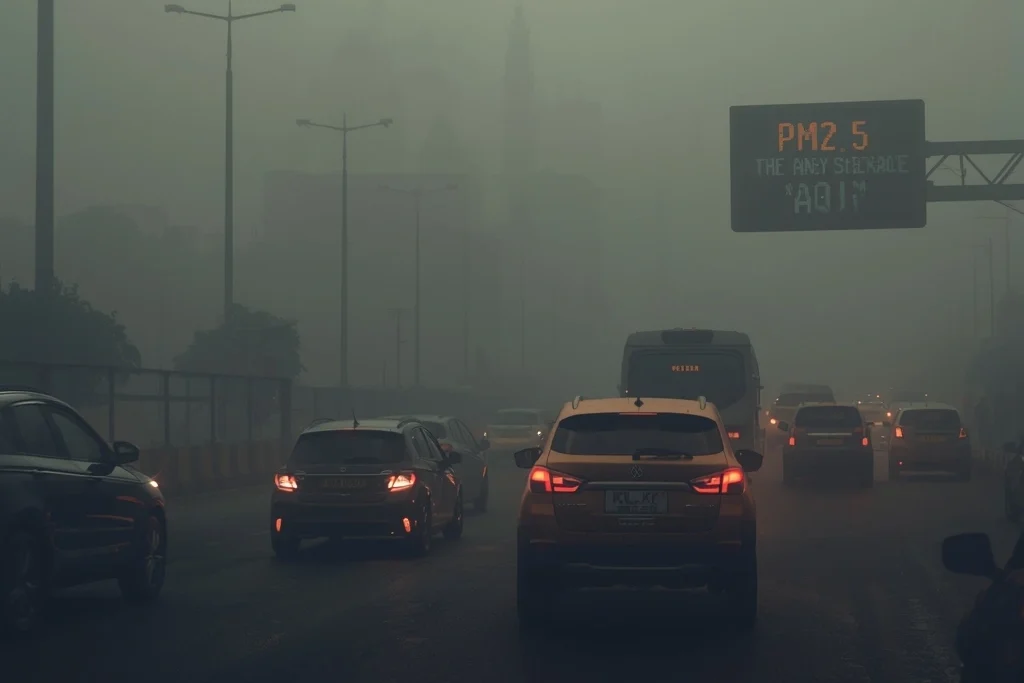
Delhi’s pollution is anticipated to enhance regularly as winter ends and meteorological conditions change. Elevated wind velocity, better temperatures, and higher atmospheric air flow in late january to february assist disperse pollution.
Lengthy-term improvement depends on sustained actions like lowering vehicle emissions, controlling creation dust, managing waste, and stopping stubble burning.
Authorities guidelines, cleanser gasoline adoption, and public participation also are critical. While brief-time period comfort comes seasonally, lasting improvement calls for regular efforts throughout delhi and neighbouring states.
Public Health Impact
Exposure to high AQI levels leads to serious health effects. Hospitals report spikes in asthma attacks, bronchitis, wheezing, and lung infections. Long-term exposure worsens heart disease, damages lung tissue, and affects immunity. For vulnerable groups, even short exposure to hazardous air can be life-threatening.
Children face the highest risk because their lungs are still developing. Studies show Delhi schoolchildren have reduced lung capacity compared to those in less polluted regions. The elderly also experience aggravated symptoms due to low air quality.
How can You protect Yourself from Delhi AQI?
Here are practical approaches residents can shield themselves from delhi’s terrible aqi:
- Put on n95 or n99 mask to filter dangerous pm2.5 particles at some point of outside activities.
- Limit outdoor publicity, especially early morning and past due nighttime when pollutants peaks.
- Use indoor air purifiers to hold purifier air at home, particularly in bedrooms.
- Keep windows closed for the duration of high aqi days to save you polluted air from getting into.
- Stay hydrated and devour antioxidant-wealthy ingredients to aid lung health.
- Test aqi apps frequently and plan travel or exercising throughout decrease pollution hours.
- Keep away from strenuous outside exercises to reduce inhalation of polluted air.
- Use public delivery or carpool to lessen overall emissions.
- Exercise nasal cleaning with saline water to clear pollutants from airways.
- Inspire flora interior to improve air pleasant naturally.
Long-Term Solutions Needed
While emergency actions help during peak pollution, Delhi requires long-term strategies to break the recurring winter cycle:
- Strengthening public transport and reducing personal vehicle usage
- Increasing green cover and urban forests
- Strict industrial regulation and clean-fuel transition
- Sustainable agricultural practices to eliminate stubble burning
- Waste segregation and recycling to reduce burning
- Urban planning reforms for ventilation and airflow
- Renewable energy adoption
Without coordinated inter-state cooperation, Delhi will continue facing winter smog every year.
FAQs on Delhi’s AQI
1. What is AQI in Delhi today?
Delhi’s AQI today is generally in the poor to severe range depending on the area.
2. Is Delhi AQI harmful?
Yes, Delhi’s AQI is harmful, especially PM2.5 levels, affecting lungs, heart, and immunity.
3. Which city is no. 1 in pollution in India?
Delhi often ranks as the most polluted city in India, especially during winter.
4. Who air pollution 99%?
Over 99% of the world’s population breathes air exceeding WHO pollution limits.
5. Which city in India has 0 to 50 AQI?
Hill stations like Kohima, Aizawl, and Shillong often record good AQI between 0–50.
6. Is Delhi cloud seeding failed?
Cloud seeding in Delhi faced challenges due to unsuitable weather, leading to limited success.
7. Do air purifiers really work?
Yes, good air purifiers reduce indoor PM2.5 levels significantly when used properly.
8. How to keep lungs clean in Delhi?
Wear masks, use purifiers, avoid peak pollution hours, hydrate, and follow breathing exercises.
Conclusion
Delhi’s air pollution remains a complex issue influenced by seasonal, geographic, industrial, agricultural, and urban factors. Despite temporary steps each winter, long-term strategies require continuous monitoring, data-driven decision-making, judicial oversight, and strong governance.
As the city continues to expand, only a holistic and collaborative approach involving citizens, governments, and industries can lead to sustainable improvement.
Further Readings:
- New BCI rules on foreign law firms Explained
- How to Legally Transfer Crypto and Online Property
- Key Regulatory Updates and Investor Impact Explained
Your article helped me a lot, is there any more related content? Thanks!