
Introduction
India’s nuclear adventure has superior through a few years of careful making plans, pragmatic geopolitical thinking, and a sturdy notion in maintaining credible national protection abilities.
As international strength balances shift and technology transforms the man or woman of battle, India keeps refining strategic protection policies to protect its sovereignty.
One of the most mentioned elements of this framework is the India Nuclear Weapon Policy, which outlines India’s approach toward nuclear functionality, responsible use, international balance, and deterrence standards.
Through the years, India has built a popularity as a responsible nuclear strength that emphasizes restraint, transparency, and a determination to stopping escalation.
This coverage isn’t pretty plenty proudly owning guns; it’s far approximately defining how they suit into broader India national security policy priorities, diplomatic postures, and safety strategies.
The Evolution of India’s Nuclear Posture
India’s nuclear idea manner predates the real improvement of weapons. Early leaders like Jawaharlal Nehru recognized the dangers of nuclear fingers but additionally understood the want for medical capability.
The 1974 take a look at marked a technological milestone, even as the 1998 tests described India as a declared nuclear nation.
While you recall that then, the authorities has been apparent about its technique, emphasizing shielding intentions and adherence to international norms. India’s strategic selection-making remains guided via protection challenges emanating from its local surroundings.
With unresolved territorial problems, ancient conflicts, and the presence of nuclear competition, India sees deterrence as a stabilizing pressure in preference to an aggressive posture.
This mind-set is embedded in files, reliable statements, and the lengthy-standing shape of the India national security policy, which integrates nuclear forces into broader safety planning.
No First Use and the Foundation of Strategic Restraint
A major thing of India’s doctrine is the No First Use doctrine India, one of the clearest commitments amongst nuclear-armed nations.
This principle states that India will now not provoke a nuclear attack however will reply simplest if struck first. Its reason is to instill predictability, reduce threat, and make sure that nuclear guns serve completely as deterrents, no longer devices of warfare.
The No First Use doctrine India allows fortify India’s recognition as a accountable power. While a few debate its flexibility, mainly in converting geopolitical scenarios, the doctrine remains a essential part of India’s real posture.
It highlights a desire for stability and a notion that deterrence can be accomplished with out beginning struggle. With the useful resource of publicly retaining confined guidelines, India seeks to create an surroundings in which nuclear escalation is less probable.
India’s Approach to Credible Minimum Deterrence
The word “credible minimal deterrence” appears often in expert discussions about the India Nuclear Weapon Policy. This idea method India maintains fine the quantity and form of nuclear guns required to deter adversaries, with out accomplishing large stockpiling. The aim isn’t always parity but effectiveness.
This method ties at once into the India nuclear deterrence strategy, which emphasizes survivability, 2nd-strike capability, and relaxed command structures.
India’s leadership believes that deterrence works at the same time as adversaries comprehend that retaliation is confident, even after a first strike. As a cease result, India invests in comfy delivery structures, reliable conversation networks, and layered shielding structures.
The India nuclear deterrence strategy moreover addresses contemporary threats consisting of cyberwarfare, missile protection evolution, and technological advancements via adversaries.
India’s cognizance on credible, survivable capability guarantees deterrence stays robust even in unpredictable environments.
The Role and Structure of Nuclear Command Authority
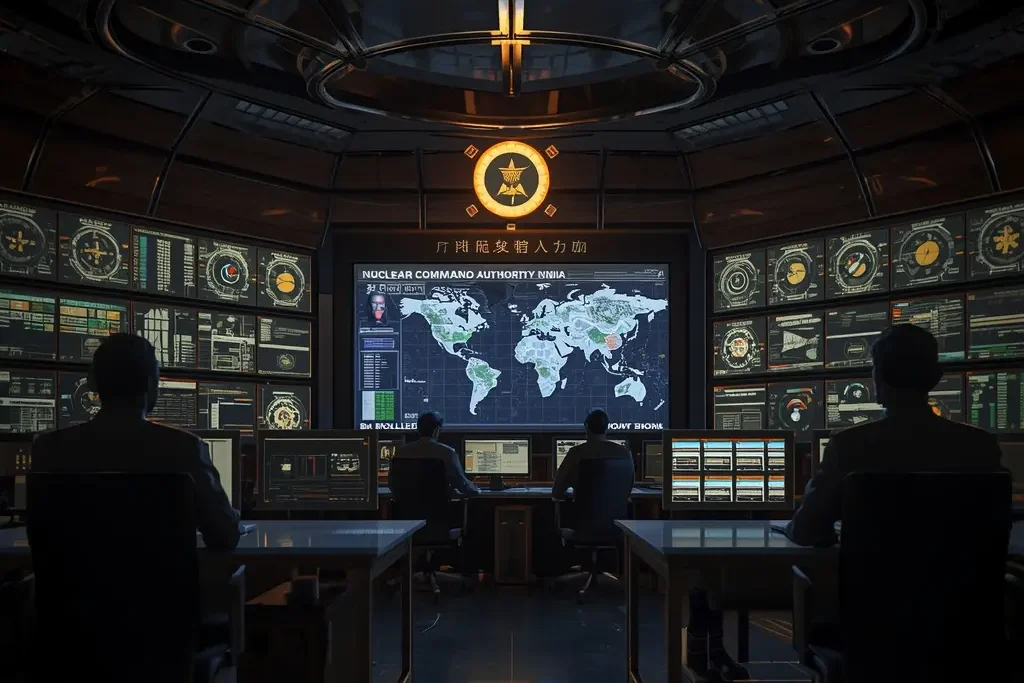
Handling a nuclear arsenal requires difficulty, shape, and strict centralization of power. The Nuclear Command Authority India serves as the very first-class selection-making body for nuclear guns, ensuring political manage and preventing unauthorized use.
The authority is break up into number one councils:
- Political council – Chaired with the aid of the Prime Minister, this frame has the extremely good strength to authorize nuclear retaliation.
- Govt council – Answerable for army planning, coordination, and execution of directives.
The streamlined shape of the Nuclear Command Authority India ensures transparency, responsibility, and sturdy civilian oversight. It shows India’s dedication to professionalism and accountable control of nuclear forces.
| Council / Division | Role / Responsibility |
|---|---|
| Political Council | Chaired by the Prime Minister; has ultimate authority to approve nuclear strikes. |
| Executive Council | Handles military planning, coordination, and execution of nuclear operations. |
| Overall NCA Structure | Ensures centralized control, civilian oversight, accountability, and prevention of unauthorized use. |
With the aid of preserving command centralized and relaxed, India reduces dangers related to unintended or premature use.
Geopolitical Factors Shaping India’s Nuclear Thought Process
India’s strategic environment is defined through nuclear-armed pals with whom it has confronted more than one conflicts: China and Pakistan. Each offers extraordinary disturbing situations, making India’s approach multi-layered.
The China factor
China’s navy modernization, increasing nuclear arsenal, and assertive conduct in border regions substantially have an effect on India’s strategic calculations. India’s management views deterrence as critical for maintaining stability in Asia.
The India Nuclear Weapon Policy consequently factors in longer-range missile structures and more appropriate surveillance competencies.
The Pakistan Factor
Pakistan’s development of tactical nuclear weapons, pursuit of first-use postures, and reliance on nuclear brinkmanship create a quite risky surroundings. India’s response stays rooted in retaining credible retaliation talents instead of matching Pakistan weapon-for-weapon.
That is in which the India nuclear deterrence strategy performs a crucial function, making sure that India stays resilient no matter unpredictable threats.
Nuclear Doctrine as Part of a Broader National Security Vision
India’s nuclear approach does not exist in isolation. It’s far part of the larger India national security policy, which integrates diplomatic engagement, military readiness, technological innovation, and economic strength.
This holistic view ensures that nuclear belongings serve their reason without undermining one of a kind countrywide priorities.
The India national security policy focuses on preserving stability even as strengthening the usa’s global repute. India seeks to sell peace and worldwide cooperation, believing that stability lets in increase and development.
The nuclear measurement complements this vision via acting as a strong shield in opposition to external aggression, permitting India to recognition on internal development.
Technological Advancements Supporting Nuclear Credibility
India’s funding in medical and technological capability forms the spine of deterrence. Those encompass:
- Advanced missile structures able to land, sea, and air deployment
- Underwater systems that ensure 2nd-strike capability
- Area-based surveillance and early-warning structures
- Indigenous production of vital components
Technological increase helps the credibility of the India Nuclear Weapon Policy, ensuring India’s deterrent remains current and effective.
As cyber threats turn out to be greater sophisticated, India maintains improving digital security features. Defensive the Nuclear Command Authority India from cyber interference is a pinnacle priority, as uninterrupted verbal exchange is vital for selection-making throughout crises.
Strategic Stability and India’s Diplomatic Outreach
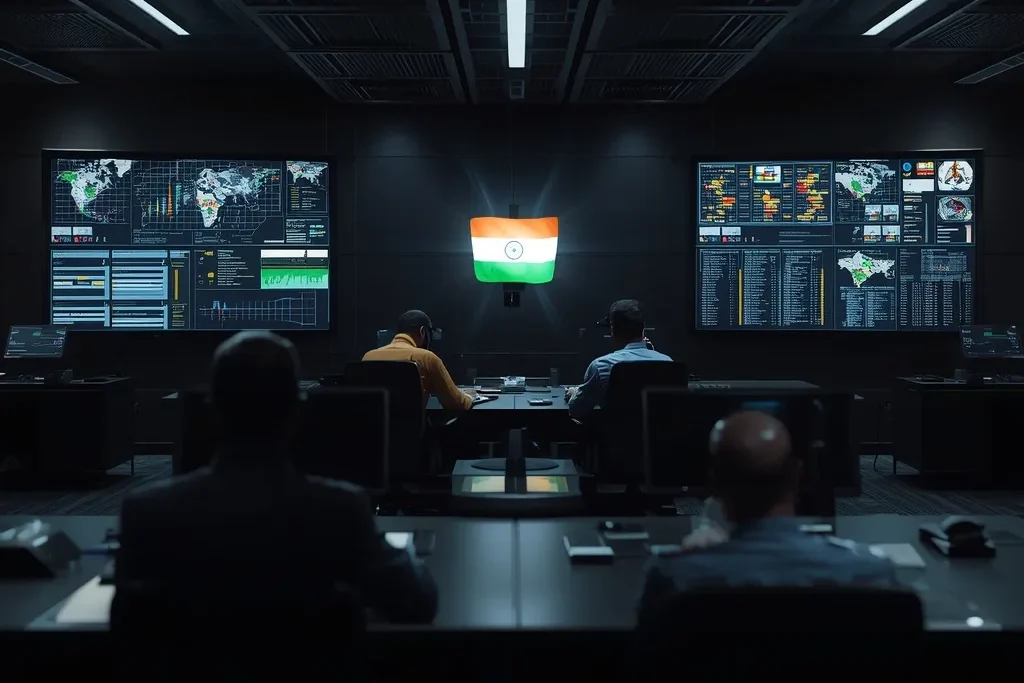
India stays devoted to global stability and international non-proliferation norms. Irrespective of not signing the NPT or CTBT, India adheres to export controls, safeguards, and transparency measures corresponding to important nuclear states.
India’s responsible behavior has been diagnosed globally, contributing to stronger partnerships and access to advanced generation.Diplomatically, India emphasizes peaceful conflict decision, strategic speak, and neighborhood cooperation.
Those diplomatic efforts red meat up the credibility of the India Nuclear Weapon Policy, signaling that India does no longer are searching for conflict however is prepared to guard sovereignty if necessary.
The Domestic Dimension of Nuclear Security
Past outside threats, inner systems make certain effective nuclear manage. India invests heavily in:
- Protection protocols
- Personnel education
- Bodily protection of installations
- Ctastrophe preparedness
- Cyber protection towards unauthorized get right of entry
The electricity of the India national security policy lies in integrating generation, human assets, and institutional frameworks. These layers ensure that nuclear property stay safe at the same time as maintaining readiness.
Debates Over Modernization and Policy Adjustments
As geopolitical realities shift, a few specialists debate whether or not India ought to reconsider elements of its doctrine. Discussions frequently revolve round the capability of the No First Use doctrine India, specifically in conditions regarding chemical or biological threats.
At the same time as legit policy remains constant, analysts spotlight the importance of model in growing protection environments. Similarly, modernization of transport systems is crucial to maintaining the effectiveness of the India nuclear deterrence strategy.
| Topic | Key Points / Debates |
|---|---|
| No First Use Doctrine India | Flexibility questioned in evolving geopolitical scenarios. |
| Delivery Systems | Modernization of missiles and submarine-launched systems. |
| Technological Upgrades | Enhancing cyber security, AI, and early-warning systems. |
| Policy Adjustments | Balancing restraint with emerging threat adaptation. |
India keeps refining its abilities through long-variety missiles, submarine-launched systems, and advanced command networks. These advancements make certain deterrence stays sturdy and credible.
Nuclear Policy as a Shield for Growth and Stability
India’s dedication to responsible nuclear behavior helps country wide development. Protection allows economic increase, technological improvement, and global cooperation.
With the aid of manner of ensuring a solid surroundings, the India national security policy reinforces the inspiration upon which India’s aims are built.
Nuclear deterrence contributes to strategic stability, ensuring adversaries recognize India’s protective however firm posture. The wider India Nuclear Weapon Policy aligns with constitutional values, diplomatic thoughts, and an extended-time period vision of peaceful coexistence with worldwide companions.
The Future of India’s Nuclear Doctrine
In the years beforehand, India is predicted to:
- Fortify strategic communication channels
- Amplify surveillance and early-warning structures
- Decorate naval nuclear abilities
- Adapt to emerging technologies like AI and hypersonics
- Maintain political manipulate thru the Nuclear Command Authority India
The future path of India’s posture will remain rooted in accountable deterrence, countrywide resilience, and nearby balance.
The usa will keep advocating restraint while ensuring that its protection talents remain uncompromising. As the global protection landscape evolves, India’s doctrine gives a measured, solid, and credible version for nuclear conduct.
The India Nuclear Weapon Policy displays a deep facts of historical instructions and destiny demanding situations, balancing deterrence with diplomacy and energy with duty.
FAQs related To India’s Nuclear Policy
1. How many atom bombs are in India?
India is estimated to possess around 160–170 nuclear warheads as of recent assessments.
2. Which country is richest in nuclear weapons?
Russia holds the world’s largest nuclear arsenal, slightly more than the United States.
3. Has India signed NPT or CTBT?
No, India has signed neither the NPT nor the CTBT due to strategic concerns.
4. Who has 90% of the world’s nuclear weapons?
Russia and the United States together possess nearly 90% of global nuclear warheads.
5. Why did India reject CTBT?
India rejected CTBT because it viewed the treaty as discriminatory and limiting strategic autonomy.
6. India’s nuclear policy PDF
India finds NPT discriminatory, dividing states into nuclear and non-nuclear categories unfairly.
Conclusion
India’s nuclear Policy represents a cautiously balanced mixture of strategic restraint, credible functionality, and extended-term protection imaginative and prescient.
The india nuclear weapon coverage, supported through the no first use doctrine india, reinforces india’s determination to deterrence in area of aggression.
Through the installed oversight of the nuclear command authority india and the evolving india nuclear deterrence approach, the united states maintains a sturdy and responsible posture in a difficult nearby environment.
Further Readings:
- Ayushman Bharat Yojana Benefits: Free Healthcare for Eligible Families
- Indian Space Policy 2025: Roadmap for Innovation & Growth
- Election Commission of India SIR Process for Accurate Voter Rolls