
Introduction
When I woke up this morning, I noticed something new on a government website.
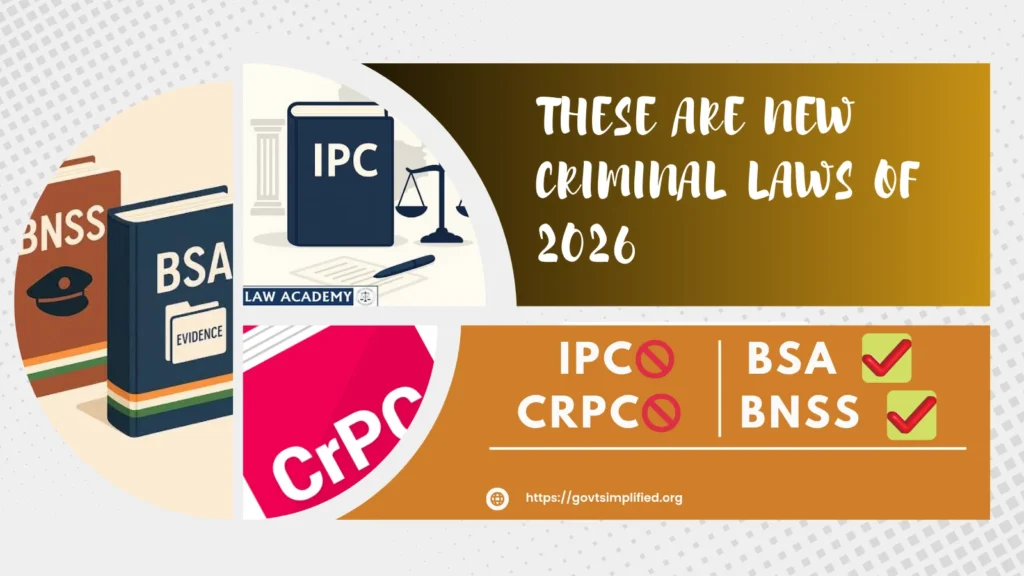
The Government of India has introduced new criminal laws, which include the IPC and the CrPC.
In this very year—2026—the Government of India has implemented the most significant changes to its criminal laws to date.
Today, I will explain these new laws in depth, and simultaneously, I will outline their impact on your daily life.
So, let’s dive in and learn everything there is to know about them.
“Laws must change, but justice must remain fair.”
WHY India Changed Criminal Laws
Since the end of the colonial era, India has undergone significant transformations; consequently, it has become essential to update existing laws to keep pace with the changing times.
With these factors in mind, the Indian government has introduced numerous amendments to the IPC, CrPC, and the Evidence Act.
As a result of these changes, various legal aspects affecting the lives of common citizens—such as you and me—have been altered.
Across the country, there are currently over 50 million pending cases, a statistic that highlights the limitations of the existing legal framework.
In this modern era, India boasts a user base of over 900 million internet users.
According to data from the NCRB, India has recorded more than 65,000 cybercrime cases over the past few years.
In light of this surge in cases, the Indian government has implemented necessary amendments to the laws.
Major Changes in New Criminal laws
With the introduction of these new rules, a question likely arises in your mind: what exactly will change as a result of these regulations?
So, let me explain to you the specific changes that these new rules will bring about:
1. Possibility of a ‘Zero FIR’
Under the new rules, individuals are empowered to register a complaint from the comfort of their own homes.
This could significantly streamline the process of filing an FIR.
Example: Suppose a woman resides in Delhi, but a crime is committed in Ghaziabad; she can now file a complaint regarding that incident.
2. Digital Evidence
According to these regulations, digital records—such as Instagram chats, emails, CCTV footage, and even deleted messages—can now be utilized as strong evidentiary proof.
Example: If you wish to file a complaint, you can submit this type of digital evidence to support your case.
3. Community Service
If a minor (male or female) commits a crime—particularly if it was an unintentional act—instead of being sent to jail, they may be assigned to perform community service.
4. Video Recording
As per these rules, police officers are now authorized to use video or voice recordings during search and seizure operations.
Example: If the police lack specific physical tools required for a search, they may utilize digital devices and technology to assist them in conducting the search.
These new rules offer significant benefits not only to the common citizen but also to government and private sector employees.
You can also check—New Punjab Scripture Rules & Controversy 2026
What Police Officers & Lawyers Are Quietly Worried About
As I mentioned earlier, these rules introduce a multitude of changes and responsibilities.
Consequently, corrupt police officers and lawyers are currently in a state of anxiety.
The underlying reasons behind their apprehension include the following factors:
- Concerns regarding prolonged police custody—Now, no police officer can detain you in custody for an extended period without a valid reason.
- Misuse of digital surveillance—Neither a lawyer nor a police officer can misuse your digital data, nor can they tamper with it.
- Burden on forensic labs—Due to these stringent regulations, the workload placed on forensic laboratories has increased significantly for these officers.
To learn more about this topic, you can check out this blog post: Click here
Reality Check Section
Along with understanding the rules, it is also essential for me to explain how these rules are being applied in real life.
You, too, might be having some questions in your mind, such as:
- Can Indian courts actually follow strict timelines?
- Are forensic labs prepared?
- Will digital evidence increase privacy risks?
- Can smaller towns implement e-courts properly?
And so more which we will talk in my other post.
Comparison of Old and New Criminal laws
Since these new rules have been incorporated into the Constitution through amendments, it is evident that they have replaced the previous regulations.
Let’s find out exactly which rules have been replaced by which:
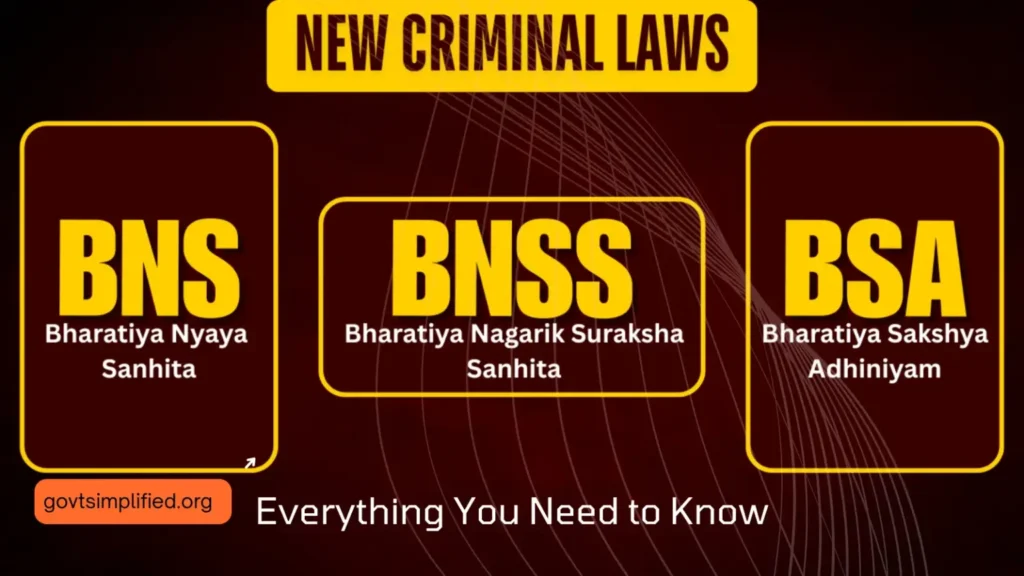
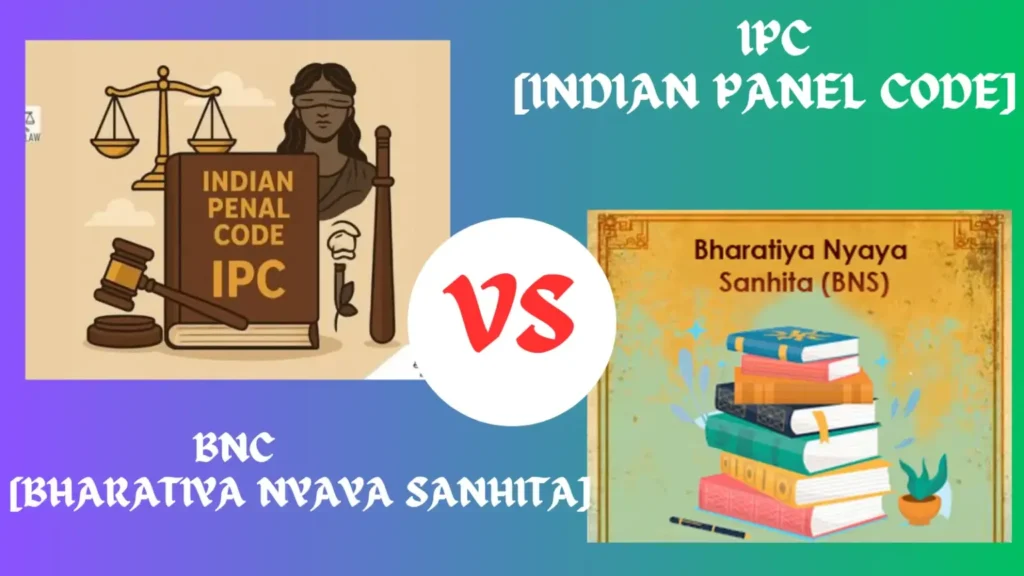
- Indian Penal Code (IPC) → replaced by Bharatiya Nyaya Sanhita (BNS)
- Code of Criminal Procedure (CrPC) → replaced by Bharatiya Nagarik Suraksha Sanhita (BNSS)
- Indian Evidence Act → replaced by Bharatiya Sakshya Adhiniyam (BSA)
Provided below is a table comparing all these old rules with their new counterparts: 👇
| Old Law | New Law | Simple Change |
|---|---|---|
| IPC | BNS | New offences, community service, stronger focus on organized crime & terrorism |
| CrPC | BNSS | Zero FIR, digital investigation, video recording, faster procedures |
| Evidence Act | BSA | Digital evidence like chats, emails, CCTV accepted more clearly |
Or
| Issue | Old Laws | New Laws |
|---|---|---|
| FIR Filing | Jurisdiction-based | Zero FIR allowed |
| Evidence | Paper-focused | Digital-first |
| Investigation | Slow and manual | Audio-video supported |
| Punishment | Mostly jail/fine | Community service added |
| Technology | Limited role | Strong digital integration |
To further clarify this concept, you can also check this link – Click Here
Biggest Criticism of the New Criminal Laws
Many people will criticize these new laws because, in several instances, these new regulations could be misused. Let us take a look at these specific areas of concern:
- Broad powers granted at high levels could be misused—an issue that would be entirely non-justiciable for the common citizen.
- The provision for extended police custody raises concerns, as people fear this may infringe upon civil liberties and the rights of the accused.
- A large number of officers will require proper training regarding the handling of technical evidence and search protocols.
- Critics fear that these rules could potentially compromise their privacy.
- The Government of India, too, will face numerous challenges in the effective implementation of these rules.
Check Now– What to Do If Police Arrest You in India
Important FAQs of New Criminal Laws
1. How do new criminal laws affect common citizens in India?
They improve FIR filing, digital evidence use, and make investigations more transparent
2. What is BNSS and how is it different from CrPC?
BNSS replaced CrPC and includes digital investigation, Zero FIR, and faster procedures.
3. Can digital chats and CCTV be used as legal evidence?
Yes, digital chats, CCTV footage, emails, and electronic records can be used.
4. What is community service under new criminal laws?
It is punishment for minor offences instead of jail or fines.
5. Why did India replace IPC with BNS?
India replaced IPC to modernize criminal laws and improve justice delivery.
Conclusion
After reading all of this, you have likely now understood what these New Criminal Laws are, what changes they will bring about, and so on.
Overall, through all of this, I simply wanted to clarify how these New Criminal Laws could prove to be a massive game-changer for the citizens of India.
“Strong laws need fairness and accountability.”