
Introduction
Education in India has traditionally been seen as the most powerful helping way to achieving success and social mobility.
However, in these recent years, many families across the country have started facing the pressure of the Rising Education Cost in India.
Where study was once considered a basic necessity which is now becoming non affordable for common people, especially for middle-class households who worked for their daily life.
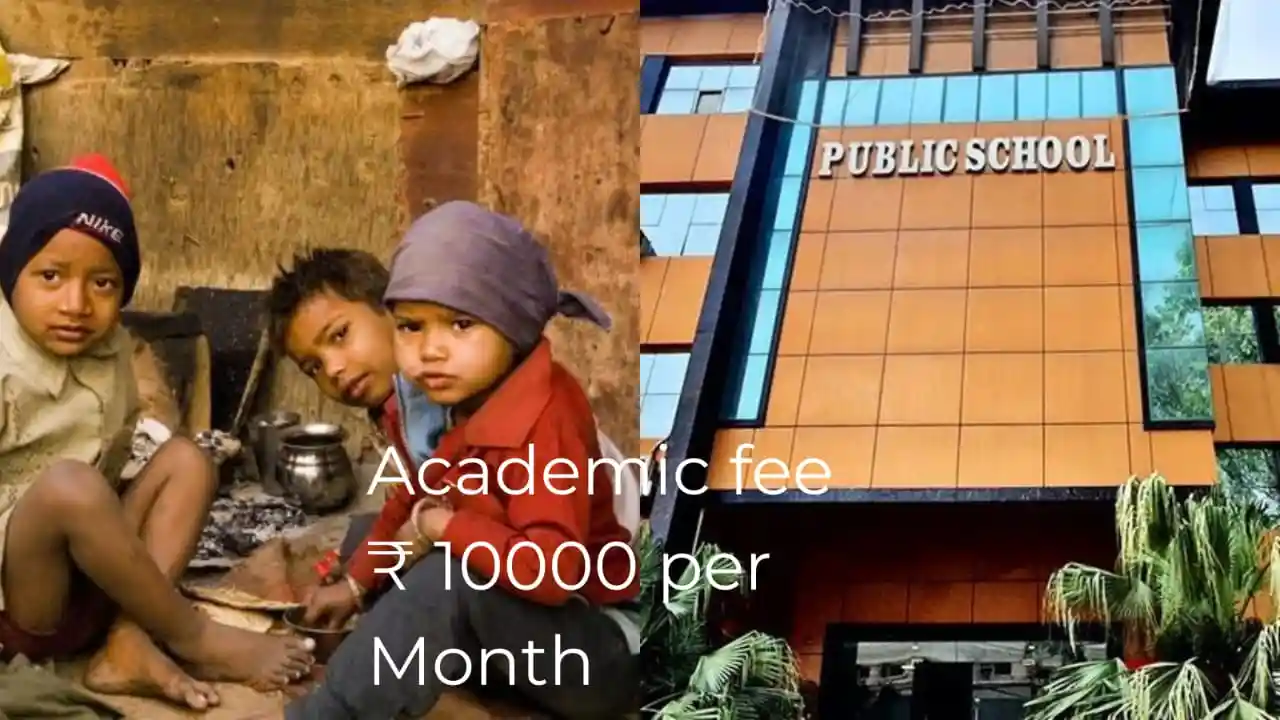
This rising cost issue matters more in today’s world than ever because education(official portal) is directly linked many things like– employment opportunities for you, country’s economic growth, and social equality among us.
When education becomes expensive, it not only affects your families but also impacts the our nation’s future workforce.
Understanding Education Fees in India Explained helps you to uncover the deeper reasons behind this growing concern and why it needed urgent action.
In this article I will tell you everything which are crucial to know such as– hidden reason behind it, it’s impact on society, my own perspective, how to handle this situation, etc. So, it is may be very important info for Self and Public awareness.
“Education is the milk of a tigress; whoever drinks it can roar.”
Main Reasons for Rising Education Costs
These are the Major Reasons of Rising price of Education in India:👇
1. Privatization of Education
One of the biggest contributors to the Rising Education Cost in India is the rapidly privatization of education.
Last two decades, private schools and colleges have expanded significantly in all over world.
While they offer better infrastructure and facilities that’s why they also charge much higher fees in comparison to government institutions or schools. This new shift has made Costly Education India a widespread reality.
2. Expensive Coaching Culture
Another crucial factor is the growing coaching culture. School education alone is often not enough for students, especially for competitive exams like engineering and medical.
Many Students join coaching institutes that charge very high fees. This new adoption system has significantly contributed to the Higher Education Cost India trend which making education a dual financial burden for Middle class families.
3. High Demand for Quality Education
Another important factor is the increasing demand for quality education. Mostly Parents are more aware and aspirational to education.
They want their children to study in top schools for higher education with modern facilities, English-medium instruction, and global exposure or international cultural education.
This high demand allows institutions to charge expensive fees, further accelerating Education Inflation India.
4. Inflation & Infrastructure Costs
Inflation and rising infrastructure costs also play a major role in this situation. Schools and colleges invest heavily in smart classrooms, digital tools, air-conditioned campuses, and extracurricular facilities for your students.
These advance technology increase operational costs, which are passed on to students. This is why understanding Education Fees in India Explained requires looking beyond your tuition fees.
| Reason | Explanation |
|---|---|
| Privatization | More private institutes with high fees |
| High Demand | Parents prefer quality education |
| Inflation | Rising costs of facilities and tech |
| Coaching Culture | Extra spending on tuition |
| Weak Regulation | Limited control on fee hikes |
CUET UG Exam Pattern 2026 — Given here
Some Examples of Rising Cost
To truly understand the Rising Education Cost in India, it is important to look at real-life examples. These are some examples given below for your better Understanding:👇
- Private School Fees (Urban Areas)
- In urban areas, private school fees can range from ₹1 lakh to ₹3 lakh annually.
- When additional expenses like books, uniforms, transport, and activities are included, the total cost increases significantly.
- Higher Education Expenses
- For higher education, the situation is even more serious.
- Engineering and medical colleges, especially private ones, charge fees ranging from ₹5 lakh to ₹20 lakh for a full course.
- This clearly highlights the growing problem of Higher Education Cost India, where professional degrees are becoming increasingly unaffordable.
- Coaching Institute Costs
Coaching institutes add another layer of expense. A student preparing for competitive exams may spend ₹1 lakh or more per year on coaching alone. - Combined Financial Burden
When school, college, and coaching expenses are combined, the total cost becomes overwhelming, reinforcing the reality of Costly Education India for many families.
Consider a typical urban middle-class family:
- Monthly income: ₹80,000
- School fees (one child): ₹10,000–₹20,000/month
- Coaching: ₹5,000–₹10,000/month
Total education spending = 30–50% of income
Reports indicate that many families spend up to 40–80% of their income on education.
This clearly shows how Rising Education Cost in India is affecting financial stability.
These examples also show how Education Inflation India is affecting every stage of your students learning—from primary school to higher education—this things making it difficult for every families to keep up financially.
Impact on Students & Families
Here is a list of Impacts given 👇:
- Financial Burden on Families
The Rising Education Cost in India forces your families to spend high amount of fees, reducing their savings and affecting their overall financial backup - Increase in Education Loans
Due to the Higher Education Cost India many parents and students take loans from bank which leading to long-term debt and financial pressure on them after graduation. - Growing Inequality
Costly Education in India creates a gap where only wealthy families can afford high quality education, while others people struggle to access the same education. - Mental Stress on Students
It also Increase expectations from your students, causing them stress, anxiety, and pressure to perform well academically to prove himself or herself. - Limited Opportunities
Understanding Education Fees in India Explained shows that many talented students like You miss opportunities due to financial constraints ehich impacting your future growth.
Government Role & Policies
The government has taken several steps to address the issue of rising education costs. Policies like the Right to Education (RTE) which aims to provide free and compulsory education to every children.
Additionally, initiatives under the National Education Policy (NEP) focus on improving access and quality.
Steps Government take:
- Implements RTE Act to provide free basic education
- Promotes NEP 2020 to improve quality and affordability
- Offers scholarships and financial aid to students
- Regulates private institutions to control fee hikes
- Invests in public schools and colleges to improve access
To effectively solve the issue, stronger policies and better implementation are required.
Without proper regulation and investment on educational, the problem of Higher Education Cost India will continue to grow which can lead to inflation in Education.
Pros & Cons of Expensive Education
While expensive education has its drawbacks, it also comes with certain advantages.
Pros:
- Better Infrastructure – Modern classrooms, labs, and digital tools improve learning quality.
- Experienced Faculty – Skilled teachers enhance understanding and academic performance.
- Global Exposure – Access to international standards and opportunities.
- Skill Development – Focus on overall personality and extracurricular growth.
- Better Placements – Strong industry connections increase job opportunities after education.
Cons:
- High Financial Burden – Families struggle to afford rising fees, affecting savings and basic needs.
- Education Loans & Debt – Students often rely on loans, leading to long-term financial stress.
- Inequality in Access – Quality education becomes limited to wealthy families, increasing the social gap.
- Mental Pressure on Students – High costs create performance pressure and stress.
- Commercialization of Education – Institutions may prioritize profit over quality learning.
Here is a simple table to summarise it:
| Pros | Cons |
|---|---|
| Better infrastructure | High financial burden |
| Experienced teachers | Education loans & debt |
| Global exposure | Inequality in access |
| Skill development | Mental stress on students |
| Better job opportunities | Commercialization of education |
Important FAQ Section
1. Why is education becoming more expensive?
Due to privatization, high demand, inflation, and coaching culture.
2. How much will education cost after 15 years?
It may double or triple due to rising education inflation.
3. Which country is No. 1 in education?
Finland is often ranked No. 1 for quality education.
4. What state is ranked No. 1 in education?
Kerala is considered top in India for education.
5. How does America rank in education?
United States ranks high but not always No. 1 globally.
These are My Suggestions towards this issue
Addressing the Rising Education Cost in India requires a multi-faceted approach. One of the most important steps is stronger government regulation of private institutions.
Fee structures should be transparent like glass and daily monitoring to prevent unnecessary charges. Improving children education is another key solution for this concern.
By investing in government schools and colleges, the government can provide affordable and high-quality education to our Country’s children.
It also reducing dependence on expensive private institutions. Scholarships and financial aid programs should also be expanded in every year.
These initiatives can help students who comes from weaker sections access quality education without financial problems, discussing the challenges of Higher Education Cost India.
Another important step is regulating coaching institutes. Bringing them under a formal framework or rules can help control excessive fees and reduce the financial burden on families.
Finally, the least thing is awareness among parents is most crucial. Taking correct decisions and understanding Education Fees in India Explained can help each families choose the right institutions without unnecessary financial strain.
Conclusion
The Rising Education Cost in India is a complex issue which influenced by different factors like privatization, inflation, coaching culture, and policy gaps.
As Education Inflation India continues to increase, education is becoming less accessible to many common families which lead to increasing inequality and financial stress.
While expensive education may offer better quality in some cases but the broader impact of Costly Education India cannot be ignored.
The increasing burden of Higher Education Cost India highlights the instant need of reforms or rules and better policies.
Moving forward, a balanced approach is essential in every case—one that ensures quality education while maintaining affordability.
Only then can India create an inclusive and equitable education system that benefits everyone and secures the nation’s future by making the students Educated.
“Cultivation of mind should be the ultimate aim of human existence.”
Further Reading: