Introduction
I believe everyone in India should be aware of the New Education Policy.
These are not merely minor educational reforms; a completely new education system underpins them.
And if you or your children attend any school in India, it is essential for you to know about the NEP (New Education Policy).
In this article, I have provided a detailed and in-depth explanation of all the key features of the NEP.
“Education shapes the future, not just careers.”
What is the new education policy of 2026?
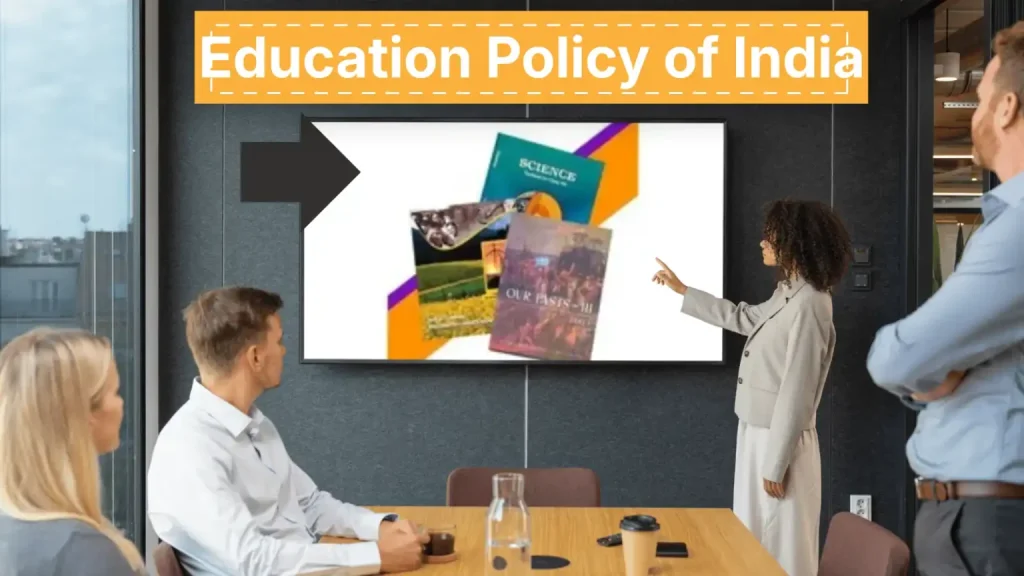
NEP 2020 represents a historic shift in Indian education, having been approved by the Union Cabinet on July 29, 2020.
This new framework introduces numerous changes that will directly impact your education and that of your children.
This New Education Policy aligns with the principles enshrined in Articles 21A, 45, 41, and 46 of the Indian Constitution.
Unlike the previous education policy, which primarily burdened students with examinations, the NEP replaces that approach to foster students’ skills and innovative ideas.
Learn Here— How can You File e-FIR in Delhi
New education policy main features 2020
You might be thinking that NEP 2020 won’t be as effective as previous education policies, but that is not the case.
NEP 2020 is a highly effective policy because many of its features overhaul the conventional education system.
Here, I have detailed the top 10 key features of the NEP:
1. School Education Now Starts at Age 3
This means that your child’s formal learning will now begin at the age of three.
While the old education policy followed the 10+2 system, the new education policy will adopt the 5+3+3+4 system.
If you wish to understand this new system in greater detail, please study this table carefully:
| Stage | Age Group | Classes |
|---|---|---|
| Foundational | 3–8 Years | Preschool to Class 2 |
| Preparatory | 8–11 Years | Class 3–5 |
| Middle | 11–14 Years | Class 6–8 |
| Secondary | 14–18 Years | Class 9–12 |
5+3+3+4 Structure:
5 Years (Preschool–Class 2) → 3 Years (Classes 3–5) → 3 Years (Classes 6–8) → 4 Years (Classes 9–12).
2. Foundational Literacy and Numeracy Became a National Priority
The NIPUN Bharat Mission was launched alongside this NEP.
Under the NIPUN Bharat Mission, all students in classes above Grade 3 will be taught basic reading, writing, and arithmetic skills.
The NIPUN Bharat Mission is a government campaign launched in conjunction with this New Education Policy.
This mission has been designed to strengthen your child’s foundation, thereby facilitating their future learning.
3. Students Can Choose Subjects Across Streams
Under the old education system, you had to follow a specific pattern after the 10th grade.
According to this pattern, you were required to pursue one of the following streams:
- Science
- Commerce
- Arts
However, NEP 2026 is different.
It offers significant flexibility, meaning your child can now independently pursue any subject they choose.
For example:
- Physics + Music
- Mathematics + Fine Arts
- Economics + Computer Science
- Biology + Entrepreneurship
4. Vocational Education Starts from Class 6
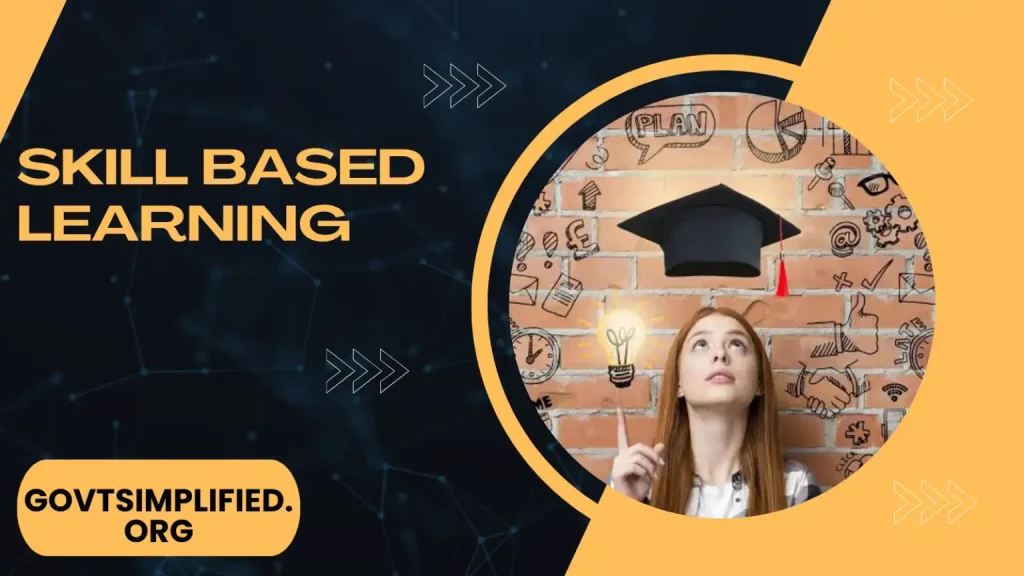
After Grade 6, your child can now opt for vocational education, which means they can focus on skill development instead of traditional subject-based learning.
In government schools and coaching centers, your child will have the opportunity to explore various learning fields, such as:
- Coding
- AI (Artificial intelligence)
- Electrical works
- Handicrafts
- Financial literacy
One of the aims of this NEP is to ensure that more than 50% of students in India receive vocational education.
5. Internships for School Students
As you may have noticed, the previous education policy did not include provisions for student internships.
Therefore, keeping this in mind, the government has made numerous internship opportunities available for students under the New Education Policy.
These internships will help students gain valuable background knowledge and practical exposure.
Additionally, they will gain real-life workplace experience, which is crucial for their future.
For any Intership you will required Income Certificate— Apply Now for it
6. Technology Will Become a Major Part of Education
In today’s era of AI, it is crucial for students to keep pace with technology.
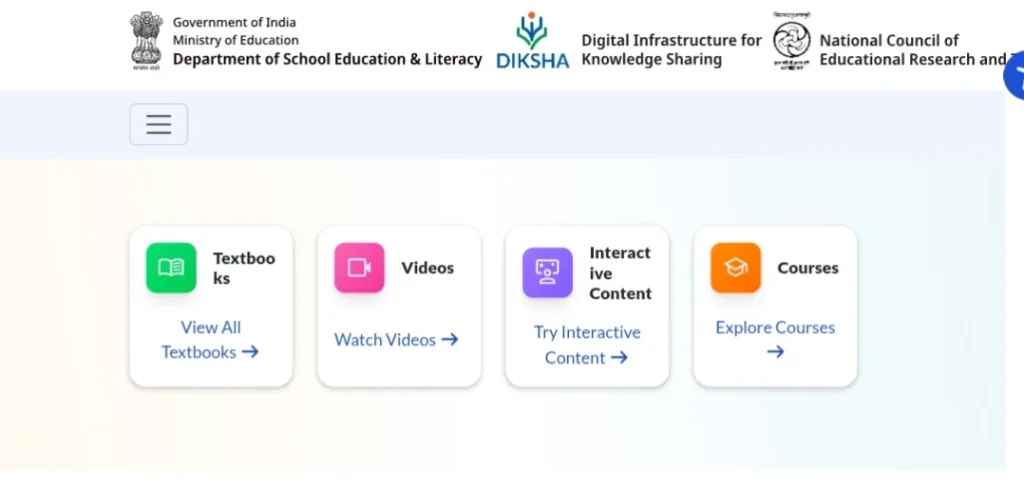
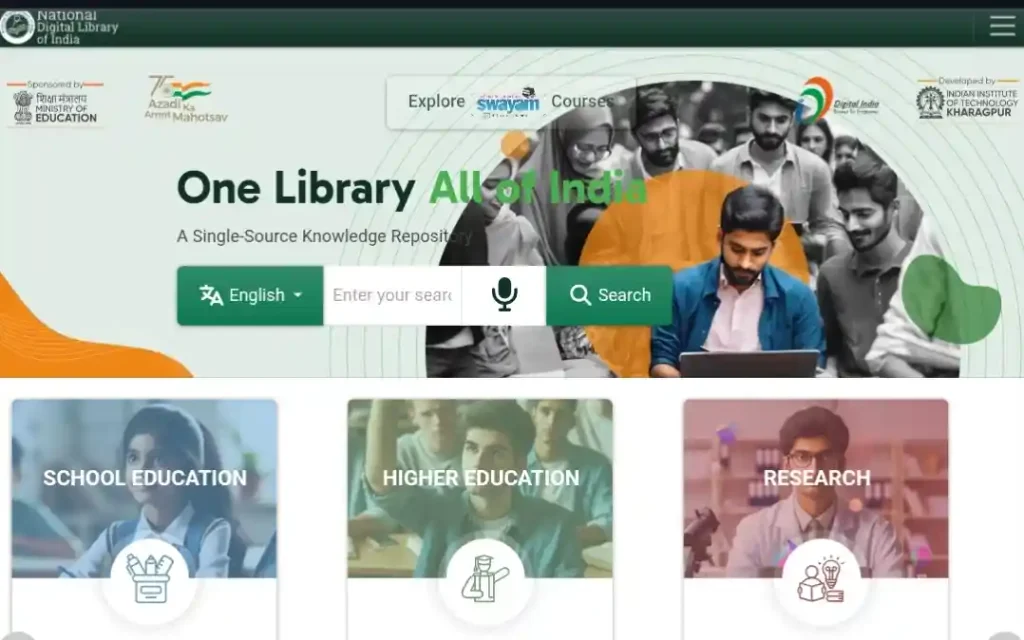
With this in mind, the government has developed numerous online platforms under NEP 2026.
On these platforms, your children can engage in direct online learning—and do so through authorized channels.
- DIKSHA Platform – For digital learning for students and teachers
- SWAYAM Portal – Offer free online courses from top Institutions in India
- National Digital Library – To get Different resources for different learning
7. Board Exams Will Focus on Understanding
You may have noticed that students often face immense pressure during their 10th and 12th-grade board exams.
To address this issue, the NEP has introduced changes such as:
The Old Education Policy asks: “What did you memorize?“
The New Education Policy asks: “What do you understand, and how can you apply it?“
This means that instead of asking questions based on rote memorization, the NEP now focuses more on questions that require interpretation and analytical thinking.
The aim of introducing this pattern is to enable students to engage in critical thinking and perform tasks effectively, while also alleviating the pressure associated with board exams.
How many types of NEP are there?
So far, only three National Education Policies have been formulated in India, and NEP 2020 is the latest among them.
| National Education Policy (NEP) | Year |
|---|---|
| First National Education Policy | 1968 |
| Second National Education Policy | 1986 (Revised in 1992) |
| Current National Education Policy | 2020 |
Difference between NEP 2020 and NEP 1986
There is a significant difference between NEP 1986 and NEP 2020.
Implementing the New Education Policy across the entire country marks a historic shift.
NEP 2020 introduces numerous major changes, which you can understand from this table.
| NPE 1986 | NEP 2020 |
|---|---|
| 10+2 System | 5+3+3+4 System |
| Rote Learning | Concept-Based Learning |
| Fixed Streams | Flexible Subjects |
| Limited Skill Training | Vocational Education |
| Marks-Focused Exams | Competency-Based Assessment |
| Limited Technology Use | Digital Learning Focus |
Salient Features of NEP 2020 for School Education
I have explained all the points here:
- Curriculum & Structure: 5+3+3+4 system, ECCE, flexible curriculum
- Learning & Teaching: Experiential learning, critical thinking, reduced rote learning
- Language Policy: Mother tongue/regional language up to Grade 5
- Skill Development: Vocational education, internships, life skills
- Assessment Reforms: Competency-based exams, holistic report cards
- Digital Education: Technology integration and online learning
- Inclusive Education: Equal access and support for all learners
- Teacher Development: Continuous training and professional growth programs
- Holistic Development: Focus on sports, arts, and extracurricular activities
- Foundational Learning: Strong emphasis on literacy and numeracy skills by Grade 3
Latest NEP 2020 Initiatives You Should Know
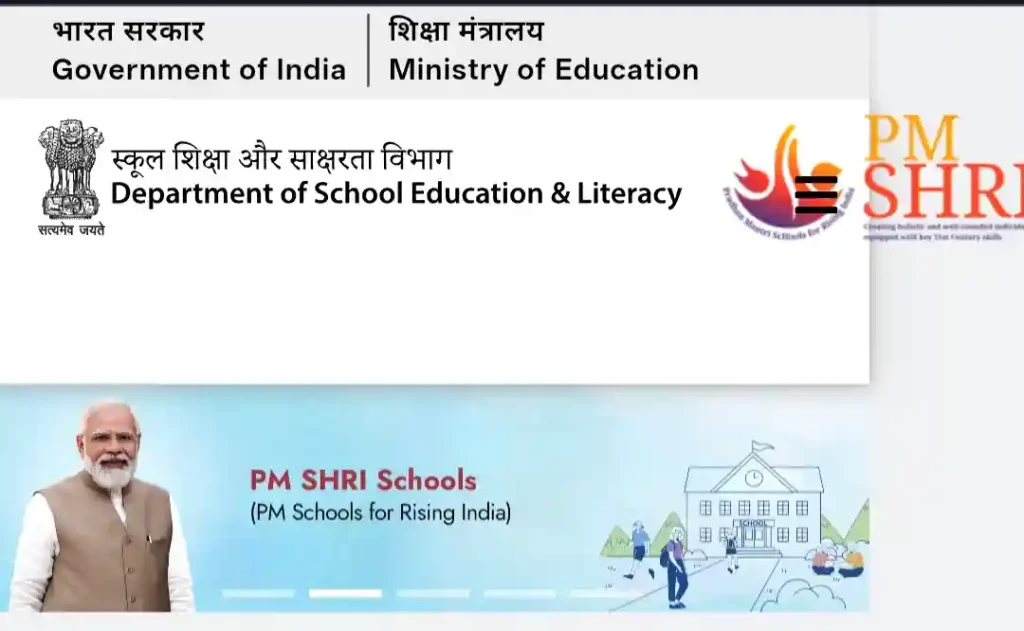
To implement the New Education Policy, the Indian government has established modern schools.
These schools have been organized under the name PM SHRI (Pradhan Mantri Schools for Rising India).
Alongside this, the government has also introduced the National Curriculum Framework (NCF) to help achieve the goals of the NEP.
All these changes demonstrate that the NEP is steadily progressing towards its objectives and that these goals will be realized in the future.
Top 7 Important FAQs of NEP
1. What are the new education policies for Class 9 in 2026?
Flexible subjects, competency-based learning, skill education, and reduced rote memorization.
2. Is it compulsory for my 3-year-old to go to school?
No, NEP includes early childhood education, but compulsory schooling starts later.
3. What is the age limit for LKG in CBSE 2026?
Generally, children aged 4+ to 5 years are eligible for LKG admission.
4. New Education Policy 2026 PDF free download
Download the official NEP 2020 PDF from this 👉 Link.
5. What is New Education Policy age criteria?
NEP follows a 5+3+3+4 structure covering children aged 3 to 18 years.
6. History of National Education Policy
India introduced education policies in 1968, 1986, and the latest NEP 2020.
7. What is the primary goal of NEP 2020 regarding equity and inclusion?
Ensure every child receives equal, inclusive, and quality education opportunities.
Conclusion
In today’s modern era, it is crucial to formulate standard policies to ensure quality education for all students.
The New Education Policy has been introduced to provide your children with a high-quality education and make their learning experience exceptional.
I have explained the key features of the NEP and all related aspects in detail.
Stay tuned with us for further important updates regarding education.
“NEP 2020 promotes learning beyond textbooks.“
Further Reading↓